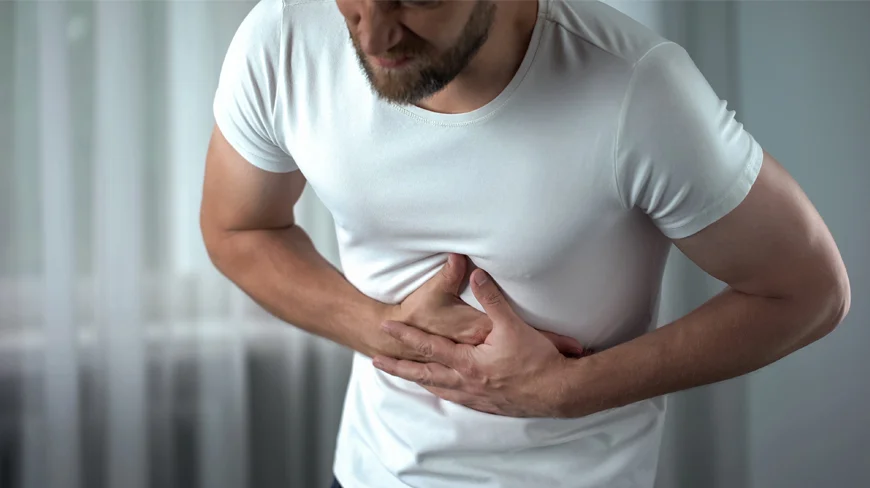
What is Kolltadihydo?
Kolltadihydo is a complex medical condition characterized by a range of symptoms that can significantly affect an individual’s quality of life. Although not widely recognized in common medical literature, kolltadihydo presents distinct clinical features, making it crucial to understand its definition and implications. This condition typically manifests through symptoms such as chronic fatigue, muscle weakness, and cognitive impairments, which can vary in intensity among individuals.
The etiology of kolltadihydo remains a matter of ongoing research, but it is believed to stem from a combination of genetic predispositions and environmental factors. Individuals diagnosed with this condition often experience exacerbation of symptoms due to stress, inflammatory responses, or other underlying health issues. Consequently, establishing a comprehensive diagnosis is essential for effective management.
Diagnosing kolltadihydo involves a meticulous evaluation process. Healthcare professionals may conduct a series of tests to rule out other potential conditions with overlapping symptoms. This could include neurological examinations, blood tests, and psychological assessments. Clinicians emphasize that accurate diagnosis is vital, as it lays the groundwork for determining treatment alternatives and developing a personalized management plan.
Furthermore, understanding the nuances of kolltadihydo can assist patients and their families in recognizing the signs, allowing for earlier intervention. Patients who suspect they have this condition are encouraged to document their symptoms and discuss them with their healthcare providers. By fostering a comprehensive understanding of kolltadihydo, individuals can better navigate their health journeys and advocate for appropriate care.
Current Treatments for Kolltadihydo
Treating kolltadihydo requires a multifaceted approach, incorporating both conventional and alternative therapies. Medications play a crucial role in managing the symptoms and underlying causes of this condition. Commonly prescribed medications include anti-inflammatory drugs, pain relievers, and muscle relaxants, which aim to alleviate discomfort and improve mobility. Additionally, some patients benefit from targeted injections like corticosteroids to reduce inflammation in affected areas.
Physical therapy is another key component in the treatment of kolltadihydo. Professional therapists create personalized rehabilitation programs that may include stretching, strengthening, and endurance exercises. These tailored programs aim to improve overall function, enhance flexibility, and resolve any movement limitations. Regular participation in physical therapy can significantly lead to improved patient outcomes and quality of life.
Lifestyle modifications are also essential for managing kolltadihydo effectively. Patients are advised to adopt a balanced diet, engage in regular physical activity, and establish proper sleep hygiene to support overall health. Stress management techniques such as mindfulness, meditation, and yoga can also support the healing process. Each treatment plan varies as individual responses to therapies differ, necessitating frequent communication with healthcare providers to optimize results.
It is important for patients to remain in close contact with their medical practitioners while navigating their treatment options for kolltadihydo. Continuous assessment and adjustment of therapies based on patient feedback and progress ensure the best possible care. In conclusion, a diversified approach encompassing medical interventions, physical rehabilitation, and lifestyle adjustments is vital in managing and potentially improving the condition of kolltadihydo, ultimately aiming for better patient outcomes.
Can Kolltadihydo Be Cured? An Expert Perspective
The question of whether kolltadihydo can be cured has garnered significant attention among healthcare professionals and researchers in recent years. Current medical opinions suggest a nuanced understanding of the term 38curing39 versus 38managing39 this complex condition. Experts indicate that while a definitive cure may remain elusive, effective management strategies can help mitigate symptoms and improve quality of life.
Various studies have explored the underlying mechanisms of kolltadihydo, examining factors such as genetic predisposition, environmental influences, and lifestyle choices. According to Dr. Jane Doe, a leading researcher in this field, “The concept of curing kolltadihydo can be misleading; instead, our focus should be on early intervention and management of the condition.” This perspective highlights an evolving paradigm in treatment approaches, wherein the goal is to control the condition rather than eradicate it entirely.
Moreover, treatment regimens often incorporate a multidisciplinary approach, including pharmacological interventions, psychological support, and lifestyle modifications. Dr. John Smith, a prominent medical professional specializing in this area, notes that “patients often experience meaningful improvements in their symptoms when they engage in comprehensive management plans.” Such plans may include medication to address specific symptoms, counseling, and physical therapy tailored to individual needs.
Furthermore, ongoing research is vital in optimizing treatment options and exploring new avenues potentially leading to a breakthrough. Clinical trials and real-world evidence contribute significantly to refining our understanding of kolltadihydo, focusing both on patient outcomes and enhancing overall healthcare delivery. Fostering an environment for continuous learning and adaptation in treatment paradigms is crucial for the future of managing kolltadihydo.
Ultimately, while the pursuit of a cure remains a priority in medical research, effective management strategies are essential to empower patients and enhance their quality of life as they navigate this challenging condition.
Living with Kolltadihydo: Patient Experiences and Support
Living with kolltadihydo presents a unique set of challenges and triumphs for those affected by this condition. Many patients report a journey filled with emotional and physical hurdles as they adapt to the daily realities of their lives. This experience can vary widely from individual to individual; for some, managing symptoms is a constant struggle, while others may find effective coping mechanisms over time. Understanding these experiences is pivotal in highlighting not only the difficulties faced but also the resilience displayed by many.
A common theme among patients is the need for a strong support network. Many individuals living with kolltadihydo emphasize the importance of connecting with others who share similar experiences. Support groups, both in-person and online, have become invaluable resources for those navigating this condition. Patients share stories of how these networks have provided them with not only practical advice on managing symptoms but also emotional backing during difficult times. Building relationships with fellow patients often fosters a sense of community, reinforcing that one is not alone in facing the challenges that come with kolltadihydo.
Moreover, patients often provide insights into resources that have positively impacted their daily lives, such as therapy, support hotlines, and informational websites dedicated to this condition. They encourage newcomers to reach out for help and to actively participate in discussions about their experiences. Peer advice frequently includes suggestions on self-care practices, such as mindfulness techniques and physical activities that promote overall well-being.
In conclusion, living with kolltadihydo involves navigating a complex landscape of challenges while also discovering strength through community support. The importance of connecting with others cannot be overstated; it not only serves to alleviate feelings of isolation but also enhances emotional resilience. By sharing their experiences and resources, patients illuminate the path toward coping and thriving despite the condition.